Kerala is a highly specialized destination that excels in slow-paced, water-centric, and nature-driven travel. It is not a place for high-speed sightseeing, intense urban exploration, or monument-heavy historical itineraries. If you are trying to decide whether to allocate your limited travel time here, the answer depends entirely on your pace: Kerala demands at least five to seven days to appreciate, making a one- or two-day trip highly inefficient due to geographic spread and slow transit times.
The core justification for choosing Kerala over competing regional destinations—like Sri Lanka for tropical landscapes or Goa for beaches—lies in its unique interior water network (the Backwaters) and its institutionalized, highly regulated Ayurveda wellness infrastructure. Unlike the rest of India, where travel can be high-friction and chaotic, Kerala offers a softer, greener, and more relaxed environment, though it comes with distinct trade-offs in terms of nightlife, tropical humidity, and strict local alcohol regulations.
The travellers who benefit most from Kerala are slow travellers, wellness seekers, nature photographers, and families looking for a less overwhelming introduction to the Indian subcontinent/southen India. Conversely, those seeking high-energy nightlife, historic architectural marvels like grand forts or palaces, or rapid transit between attractions will likely find the destination underwhelming and logistically frustrating.
Top 10 Reasons to Visit Kerala
- The Backwaters Network: Unlike the chaotic river systems found elsewhere in South Asia, Kerala’s 900-kilometer network of brackish lagoons, lakes, and canals offers an isolated aquatic ecosystem. Travelling by a converted kettuvallam (traditional rice barge) allows visitors to observe rural agrarian life below sea level, a geographical feature unique to the Kuttanad region.
- Institutionalized Ayurveda: While wellness centers exist globally, Kerala treats Ayurveda as a primary stream of medicine backed by government-approved classification systems (Olive Leaf and Green Leaf certifications). This ensures authentic, medically supervised treatments rather than superficial spa experiences found in competing beach resorts.
- Distinct Western Ghats Topography: Rising to over 2,600 meters, Kerala’s hill stations, particularly Munnar, feature high-altitude tea plantations that create a sharp climatic contrast to the humid coast within a four-hour drive. The microclimate here supports unique flora and fauna not found in northern Indian hill stations.
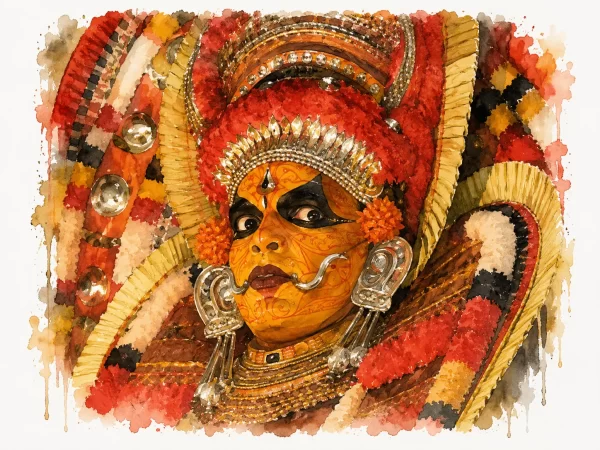
- Preserved Ritual Arts: Art forms like Kathakali (dance-drama) and Kalaripayattu (one of the oldest martial arts) are not merely staged for tourists; they are active, deeply disciplined traditions with rigorous training lineages based in local centers like Cheruthuruthy.
- Multi-Layered Maritime History: Within a compact, walkable grid, Fort Kochi preserves a tangible timeline of European colonization—combining Portuguese churches, Dutch municipal layouts, British clubs, and centuries-old Chinese fishing nets—that contrasts sharply with the monocultural historical sites of inland India.
- The Monsoon Tourism Window: Unlike destinations that shut down during rainy seasons, Kerala actively leverages the southwest monsoon (June to September). The rain rejuvenates the tropical landscape and is traditionally considered the optimum period for Ayurvedic therapies due to open skin pores in cool, humid weather.
- High Human Development Index (HDI) Environment: Kerala boasts India’s highest literacy rate and superior public health indicators. For the traveller, this translates into a safer, cleaner, and more socially equitable environment with significantly lower rates of aggressive touting and street hassles than typical tourism hubs.
- Spontaneous Wildlife Encounters: Protected areas like Periyar and Wayanad are structured around water bodies, allowing visitors to observe wild elephants, gaurs, and endemic bird species from boats rather than relying exclusively on high-decibel, high-emission jeep safaris.
- Distinctive Culinary Chemistry: Distinct from standard North Indian cuisine, Kerala’s food relies heavily on coconut milk, curry leaves, and local spices like black pepper and Malabar tamarind. It also offers extensive seafood options, reflecting its diverse culinary diversity.
- Low-Impact Responsible Tourism Models: Through its state-led Responsible Tourism Mission, destinations like Kumarakom have successfully integrated local village communities into the tourism supply chain, ensuring that visitor spend directly supports traditional craftsmen, farmers, and boatmen.
Signature Experiences
- Navigating the narrow canals of Alappuzha on a non-motorized canoe to observe village life up close.
- Overnight stay on a certified luxury houseboat floating through Vembanad Lake.
- Watching a traditional Kathakali performance, including the elaborate, hours-long pre-show makeup ritual.
- Undergoing a multi-day, physician-led Ayurvedic detoxification (Panchakarma) program.
- Walking through the high-altitude, carpet-like tea estates of Lockhart or Kolukkumalai in Munnar.
- Observing wild elephants along the banks of Periyar Lake from a double-decker conservation boat.
- Sampling authentic “Toddy Shop” cuisine, featuring hyper-spicy clay-pot fish curry paired with naturally fermented coconut sap.
- Exploring the historical spice warehouses and antique shops of Jew Town in Mattancherry.
- Watching a Kalaripayattu martial arts demonstration focusing on flexibilities and traditional weaponry.
- Experiencing a beach-side stay at Marari, known for its quiet, working-fisherman ecosystem rather than commercialized water sports.
- Attending an authentic, non-commercial Thrissur Pooram festival or local temple Theyyam ritual (seasonal).
- Tasting a traditional Sadya—a multi-course vegetarian feast served systematically on a banana leaf during festivals.
- Exploring the prehistoric rock engravings inside Edakkal Caves, one of India’s most important archaeological sites.
- Witnessing Theyyam ritual in a village shrine in Kannur or Kasaragod .
- Exploring the centuries-old Uru shipbuilding tradition at Beypore, where master craftsmen build wooden ocean-going vessels entirely by hand.
Practical Information
Ideal Duration: 7 to 10 days. Attempting to see Kerala in less than 5 days results in excessive road travel and misses the core appeal of the destination, which is slow relaxation.
Best Season: October to March offers the most comfortable weather with lower humidity. June to September is ideal exclusively for monsoon chasers and intensive Ayurvedic treatments.
Budget: Moderate to High. While backpacker infrastructure exists in places like Varkala and Kochi, the definitive Kerala experiences—such as private houseboats, premium heritage properties, and certified Ayurvedic resorts—require a mid-to-high budget compared to neighboring states.
Accessibility: Highly accessible by air via four international airports (Cochin, Trivandrum, Kozhikode, Kannur). Internal transit relies heavily on a dense railway network for north-south movement, while east-west mountain transit requires private vehicles or state buses via winding, narrow roads.
Suggested Itinerary: Arrive in Cochin (2 days for heritage and culture) -> Drive to Munnar (2 days for tea estates and mountain trekking) -> Drive to Periyar/Thekkady (1 day for spice plantations and wildlife) -> Drive to Alappuzha/Kumarakom (2 days for houseboat and backwaters) -> Depart via Cochin or Trivandrum.
Best Time of Day: Early mornings (6:00 AM – 8:30 AM) are essential for wildlife viewing, birdwatching, and backwater photography before the heat and humidity peak. Evenings are best reserved for cultural performances and coastal sunsets.
Common Mistakes: Booking a cheap, unclassified houseboat that uses noisy diesel generators; packing too many destinations into a short trip, leading to exhausting 5-hour drives on single-lane roads; expecting a vibrant nightlife or liberal alcohol availability outside of 4- and 5-star hotel bars.
Travel Tips: Dress modestly when visiting local temples (men usually require a mundu/dhoti and must go shirtless in traditional shrines); carry motion-sickness medication for the winding roads leading up to Munnar and Wayanad; book Ayurvedic treatments only at centers displaying Government “Green Leaf” or “Olive Leaf” certifications.
Ratings
| Factor | Score (out of 10) |
|---|---|
| Heritage Attractions | 6/10 |
| Overall Experience | 9/10 |
| Photogenic Appeal | 9/10 |
| Activities | 8/10 |
| Crowd & Atmosphere | 7/10 |
| Accessibility | 8/10 |
| Time Efficiency | 5/10 |
| Budget & Value | 8/10 |
| Weather & Comfort | 6/10 |
| Uniqueness | 9/10 |
Overall Score: 75/100
Kerala scores exceptionally high for its unique backwater geography, authentic wellness traditions, and serene overall experience. It loses points in time efficiency due to slow, winding roads and in weather comfort due to high year-round humidity. Its heritage attractions, while culturally fascinating, lack the sheer monumental scale found in other parts of India.
Who Should Visit?
Perfect For:
- Slow Travellers: Those who enjoy spending days watching the world go by from a boat deck or plantation porch.
- Wellness Enthusiasts: Anyone seeking legitimate, deeply integrated alternative medical treatments like Ayurveda.
- Nature and Bird Photographers: The combination of marine life, high-altitude avifauna, and mist-covered plantations offers excellent, diverse subjects.
- Families and Seniors: The lower hassle factor, higher safety standards, and relaxed pace make it highly manageable for multi-generational groups.
Less Suitable For:
- Nightlife Seekers: Strict local laws limit bars, and the local culture shuts down relatively early in most areas.
- Monument Hunters: Travellers looking for massive palaces, ancient carved caves, or imposing fortresses will find the local architecture understated.
- The Time-Crunched: If you only have 48 hours, the geographic distance between the beaches, backwaters, and hills will leave you spending most of your time in a car.
Best for Different Travellers
| Traveller | Why This Destination Suits Them |
|---|---|
| Backpacker | Affordable homestays in Fort Kochi and cliff-side hostels in Varkala provide social hubs and low-cost cultural access. |
| Budget Traveller | Extensive public ferry networks allow exploration of the backwaters for fractions of the price of a luxury houseboat. |
| Couple | Private luxury houseboats and isolated plantation resorts in Munnar offer high privacy and scenic isolation. |
| Family | Safe, enclosed resort properties, gentle wildlife boat safaris, and low-stress environments reduce travel fatigue for children and elderly relatives. |
| Photographer | Visual contrasts between the geometric patterns of Chinese fishing nets, neon-green tea fields, and dramatic monsoon clouds. |
| History Lover | Offers a deep exploration of the ancient Muziris port and the global spice trade, early Christian heritage, centuries-old Jewish migration, Arab maritime connections, and the successive Portuguese, Dutch, and British colonial eras that shaped Kerala’s cultural landscape. |
| Luxury Traveller | World-class heritage boutique hotels, high-end wellness retreats (like Kalari Kovilakom), and private ultra-luxury floating villas. |
| Slow Traveller | An environment where the core itinerary consists of watching village life unfold along canals over several days. |
| Weekend Traveller | Highly inefficient unless restricted strictly to a single hub like Fort Kochi; otherwise, too much time is lost to transit. |
| First-time Visitor | Acts as a gentle entry point to India (“India Lite”), offering the cultural depth of the country without the high-intensity sensory overload found in northern cities. |
Nearby Destinations
| Destination | Distance (from Kochi) | Why Combine It |
|---|---|---|
| Madhurai (Tamil Nadu) | 270 km | To contrast Kerala’s natural landscapes with a high-energy, ancient Hindu temple city featuring monumental Dravidian architecture. |
| Coorg (Karnataka) | 320 km | To compare Kerala’s coastal tea culture with Karnataka’s high-altitude coffee plantations and distinct Kodava heritage. |
| Kanyakumari (Tamil Nadu) | 230 km (from Trivandrum) | To visit the geographic southernmost tip of mainland India where the Arabian Sea, Indian Ocean, and Bay of Bengal meet. |
Best Attractions
- Vembanad Lake (Alappuzha/Kumarakom): The focal point of backwater tourism; essential for experiencing the vast scale of the wetlands and traditional houseboat living.
- Eravikulam National Park (Munnar): High-altitude grasslands crucial for viewing the endangered Nilgiri Tahr (mountain goat) and experiencing panoramic views of the Western Ghats.
- Fort Kochi Historic District: A compact zone featuring St. Francis Church (the original burial site of Vasco da Gama), Santa Cruz Basilica, and the iconic Chinese fishing nets.
- Periyar Tiger Reserve (Thekkady): An exemplary model of community-based ecotourism where former poachers act as guides for bamboo rafting and night treks.
- Varkala Cliff Beach: Unique geological formations where red laterite cliffs stand directly adjacent to the Arabian Sea, combining beach recreation with unique scenery.
- Wayanad: A highland landscape of mist-covered mountains, prehistoric caves, evergreen forests, waterfalls, and wildlife sanctuaries, offering one of Kerala’s richest combinations of nature, trekking, and archaeological heritage.
- Bekal Fort: Kerala’s largest and best-preserved seaside fort, dramatically perched on a rocky headland overlooking the Arabian Sea, blending military history with spectacular coastal panoramas and sunset views.
- Thiruvananthapuram : Kerala’s historic capital, renowned for the magnificent Padmanabhaswamy Temple, former Travancore royal palaces, acclaimed museums, and a rich cultural legacy that blends royal heritage with coastal charm.
Final Verdict
Kerala is an exceptional destination if your travel goals revolve around deceleration, natural landscapes, and cultural immersion. It stands apart from the typical high-energy, monument-heavy tourist circuits of Northern India by offering an environment where the journey itself—whether drifting on a backwater barge or walking through a misty tea plantation—is the principal attraction. The infrastructure safely supports both independent and group travellers, making it one of the most accessible regions in South Asia for those who prioritize wellness and ecological diversity.
However, Kerala will disappoint those seeking quick boxes to check or high-octane urban entertainment. The historical sites are low-key compared to the grand forts of Rajasthan or the ancient temples of Tamil Nadu. Furthermore, the tropical climate brings persistent humidity, the road networks demand slow and patient travel, and strict state-level alcohol controls mean it cannot compete with destinations like Goa or Thailand for casual, beachside nightlife.
Choose Kerala if: You want a relaxed, nature-centric vacation focused on wellness, unique water landscapes, distinct regional cuisine, and slow-paced cultural exploration within a socially progressive environment.
Avoid Kerala if: You are seeking architectural wonders, high-energy beach parties, fast-paced transit options, or a packed, short-duration sightseeing schedule.
Bottom Line: Kerala is not a destination for ticking off sights; it is a tropical sanctuary best experienced at a slow, deliberate pace where the waters dictate the rhythm of your day.
Continue Exploring
Two iconic Kerala temples, two distinct experiences—compare Padmanabhaswamy Temple and Guruvayur Temple before you visit.
Choose Padmanabhaswamy Temple for royal heritage and grand architecture, or…
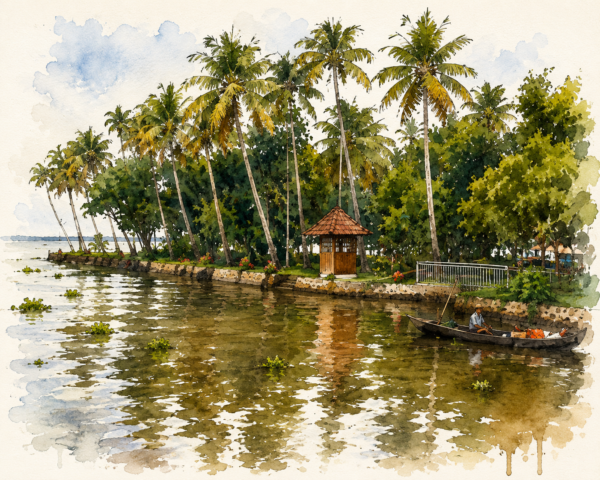
Alleppey vs Kumarakom
Choosing between Alleppey (Alappuzha) and Kumarakom depends on the kind…
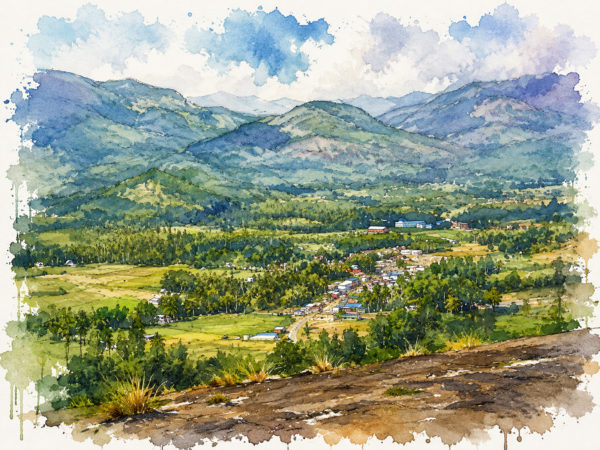
Kanthalloor and Marayoor
Kanthalloor and Marayoor are neighboring hill stations in Kerala’s Idukki…
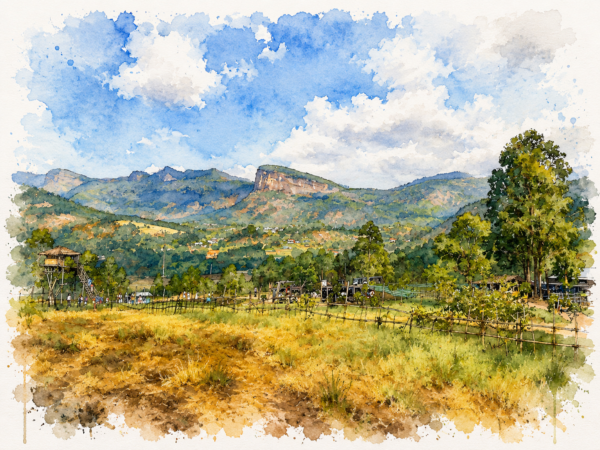
Why Visit Kanthalloor
Kanthalloor's mountains and fertile valleys, where open landscapes, cool mountain…