Belur is arguably the top heritage destination in this part of Karnataka.
Before the Hoysalas moved their capital to , Halebidu which is about 16 km away, Belur, referred to as Velapuri served as the empire’s base.
The prime attraction of Belur is the 11th century Channekeshava Temple built by the Hoysalas.
The temple is open for visit from sunrise to sunset. The highlights are those intriguingly carved sculptures, embedded on the walls and also the angled bracket figures representing dancing postures.
Belur is 200km west of Bangalore . The drive takes about 4 hours on the NH48. At Hassan take the diversion.
Belur
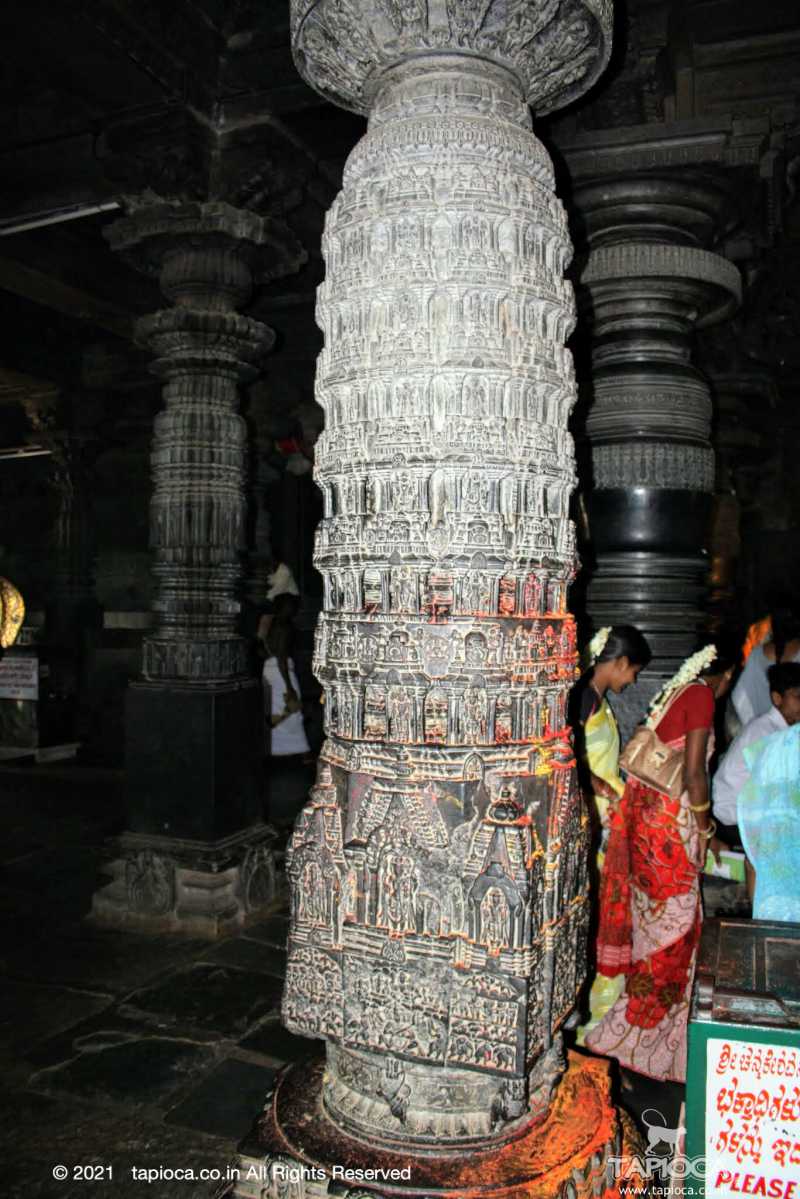
Narasimha Pillar (Index pillar) of Belur
Belur
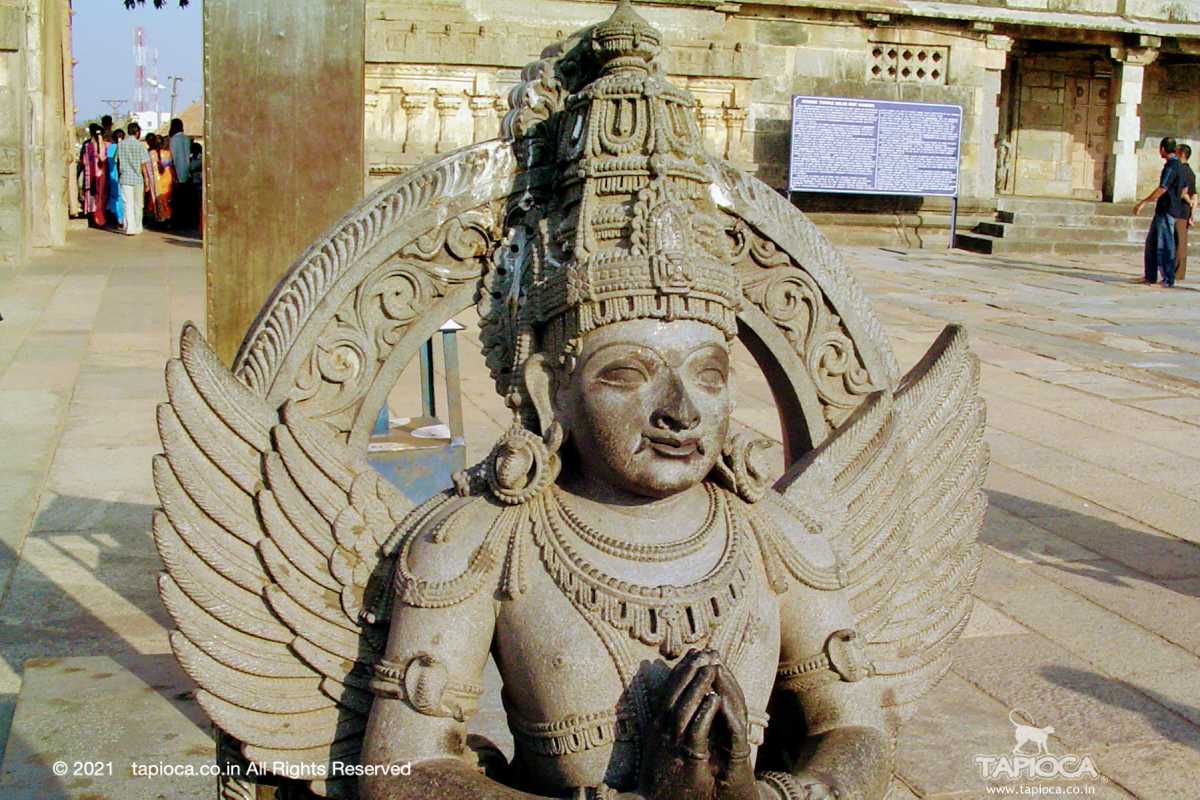
Garuda, the mount of Lord Vishnu located in the courtyard of the Chennakeshava Temple in Belur, Karnataka
Belur
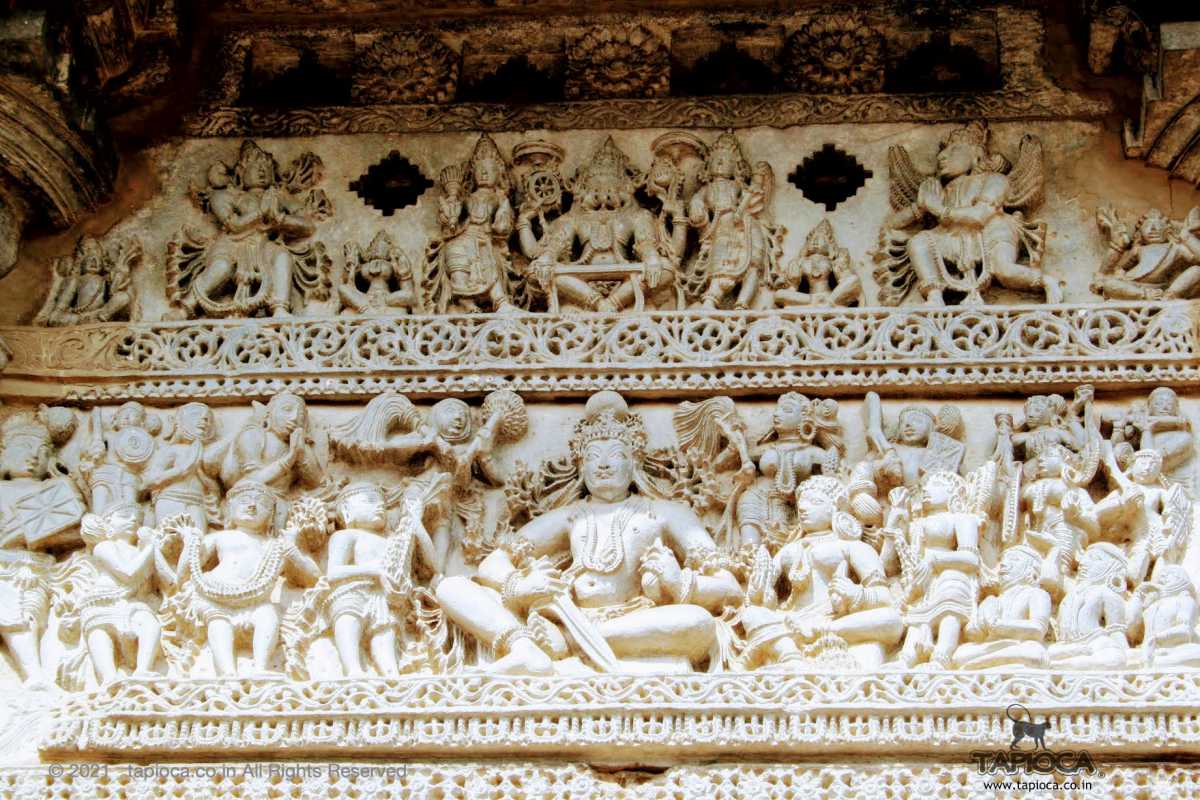
Court scene of King Vishnuvardhana carved at the Chennakeshava Temple
Belur
Soapstone Carving from Belur
Belur
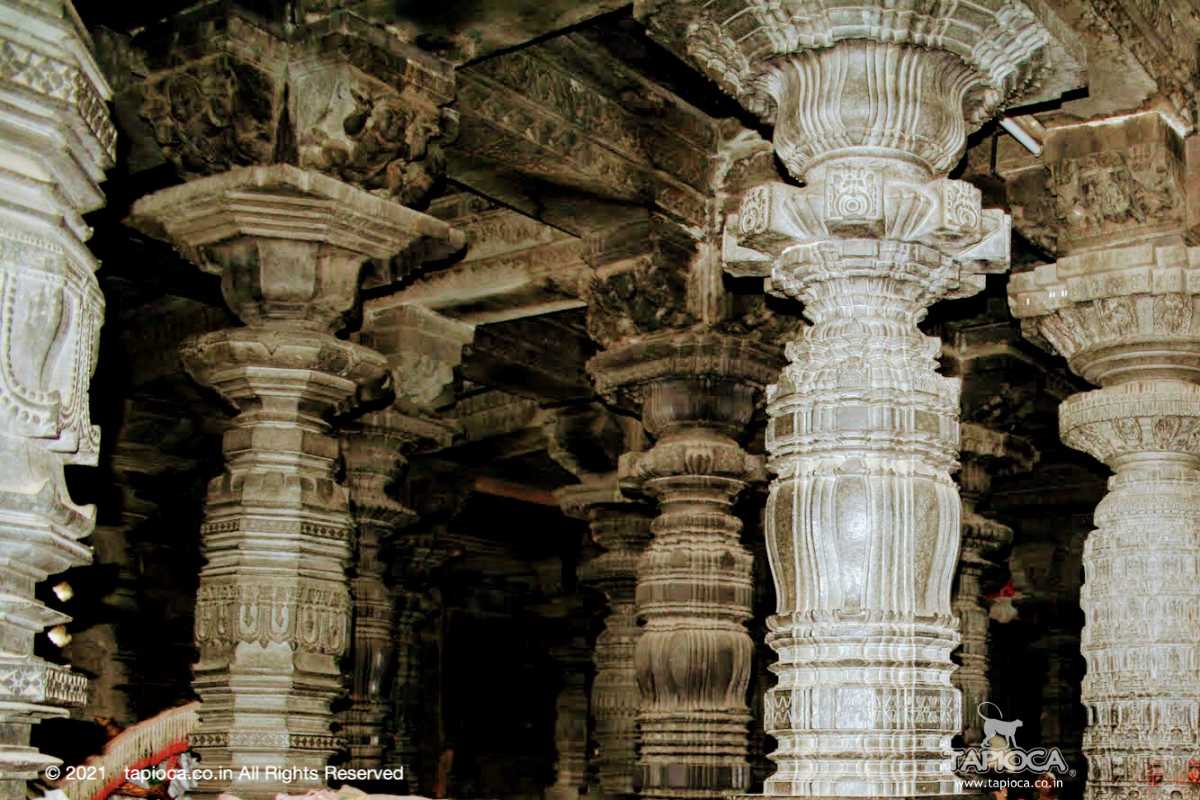
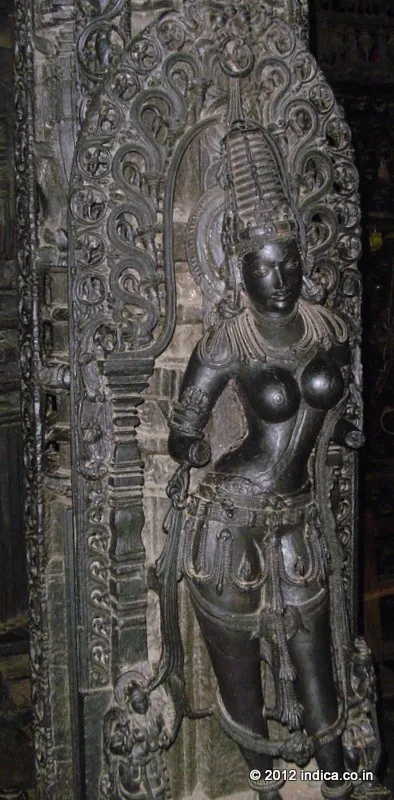
There are about 50 artistically decorated pillers inside the Chennakesava Temple of Belur. They are all unique and outstanding specimens of Hoysala architecture. A couple of the pillars are however outstanding - the Narasimha Temple and the Mohini pillar.
Belur
Image in the Belur Temple
Belur
The iconic image is from the Hoysala Temple in Belur, Karnataka
Belur
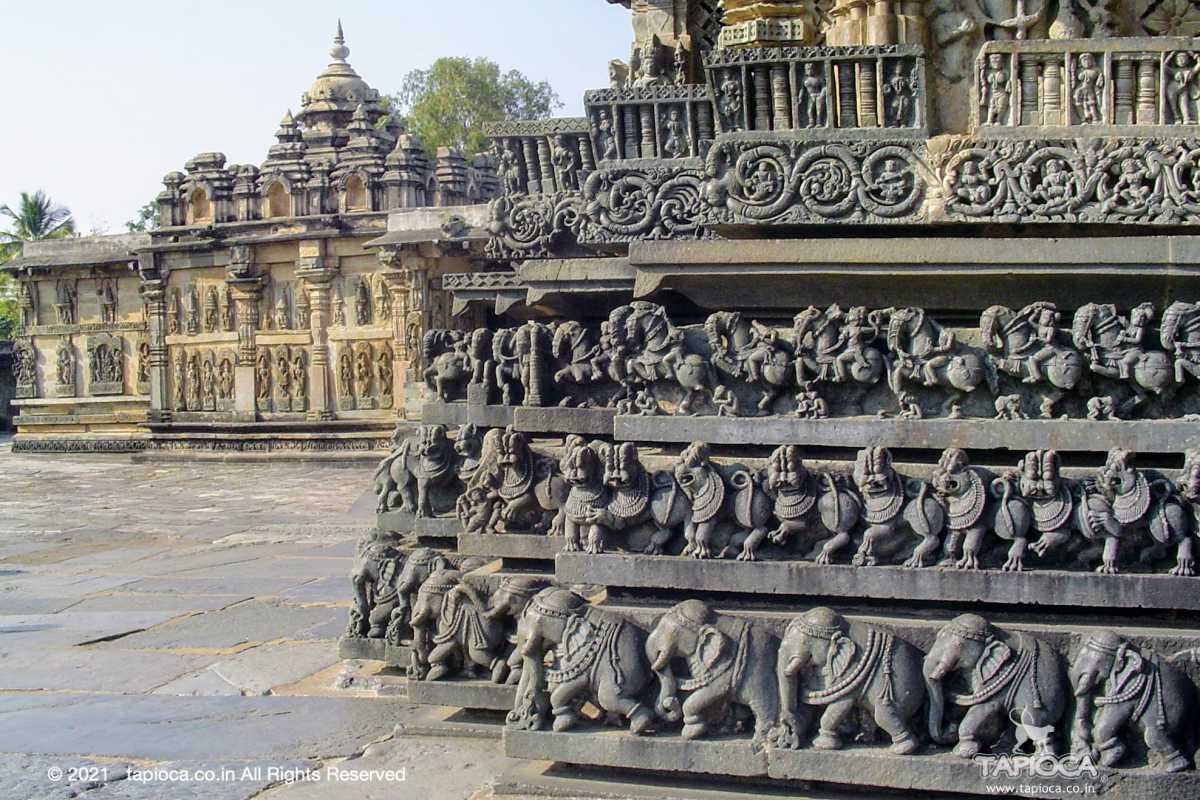
Friezes on the outer wall of the temple in Belur .
Garuda, the mount of Lord Vishnu located in the courtyard of the Chennakeshava Temple in Belur, Karnataka
Garuda, the mount of Lord Vishnu located in the courtyard of the Chennakeshava Temple in Belur, Karnataka
The Mohini image at Chennekeshava Temple, Belur
The Mohini image at Chennekeshava Temple, Belur
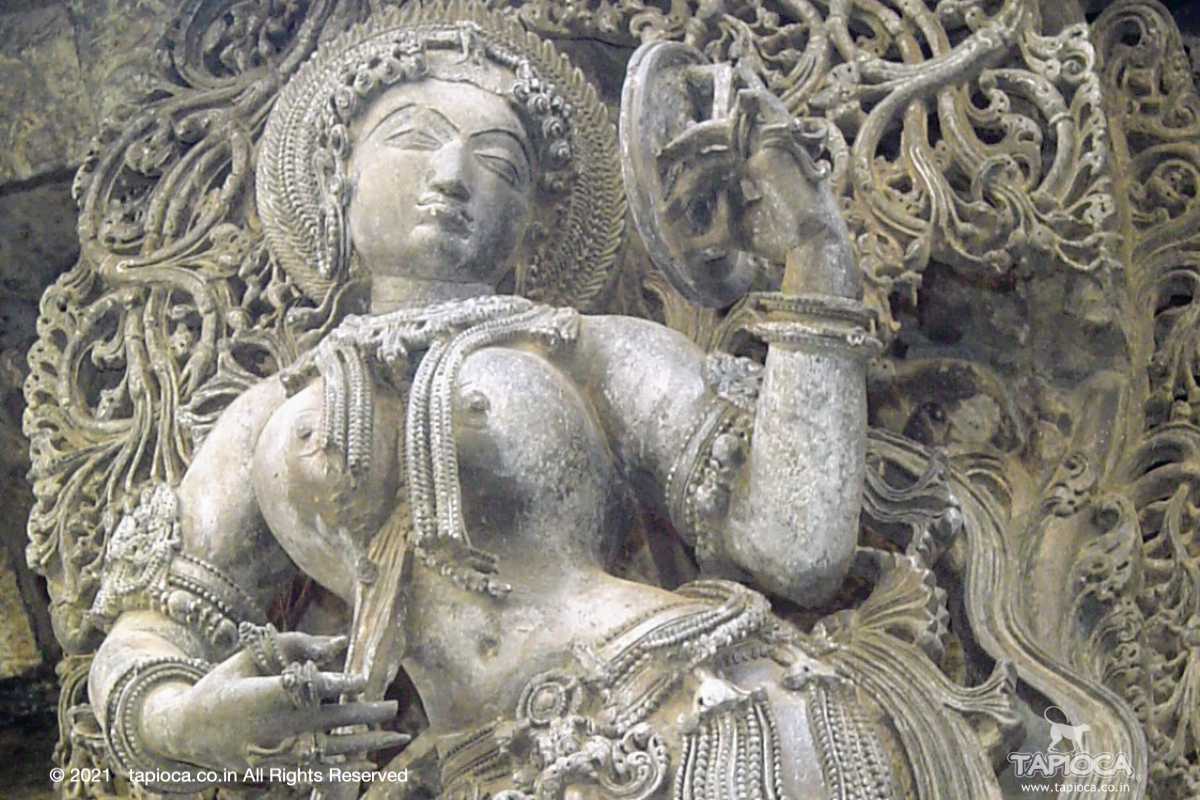
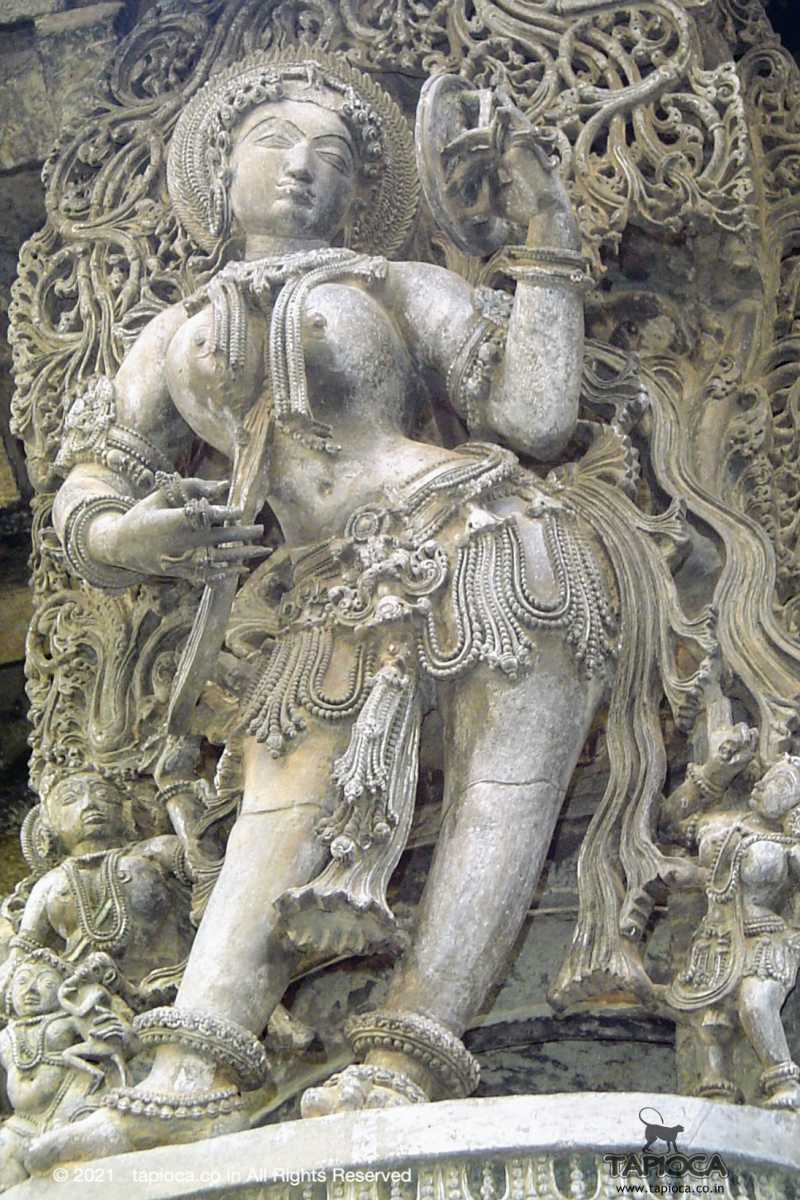
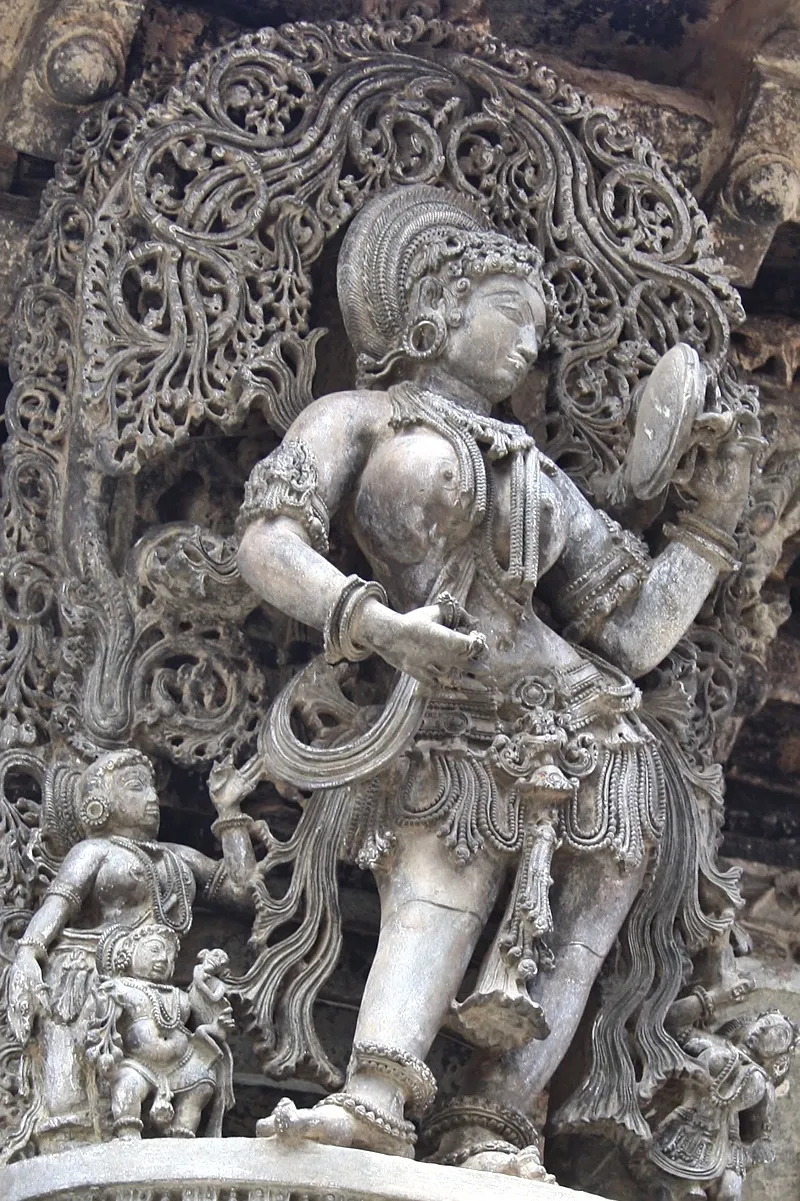
Lady with Mirror at Belur. This Masterpiece at Belur is often boasted to be the highest watermark of the Hoysala art.
Lady with Mirror at Belur. This Masterpiece at Belur is often boasted to be the highest watermark of the Hoysala art.
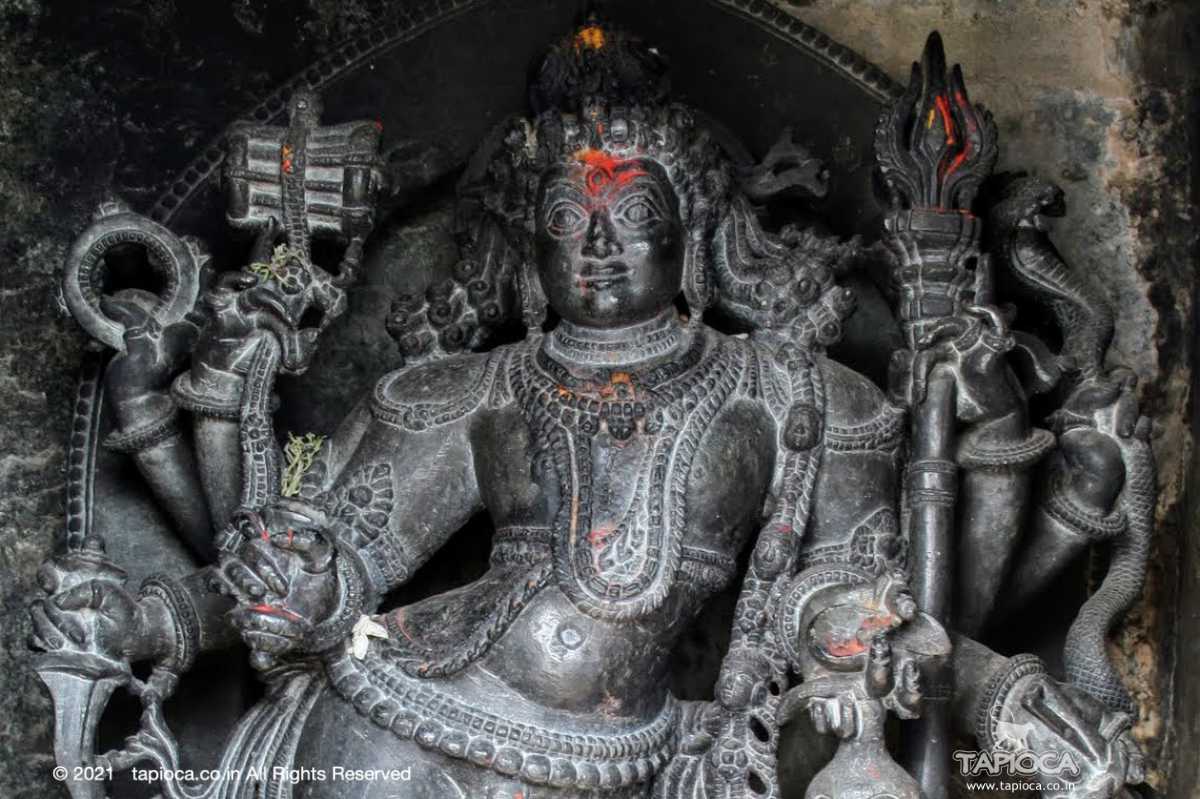
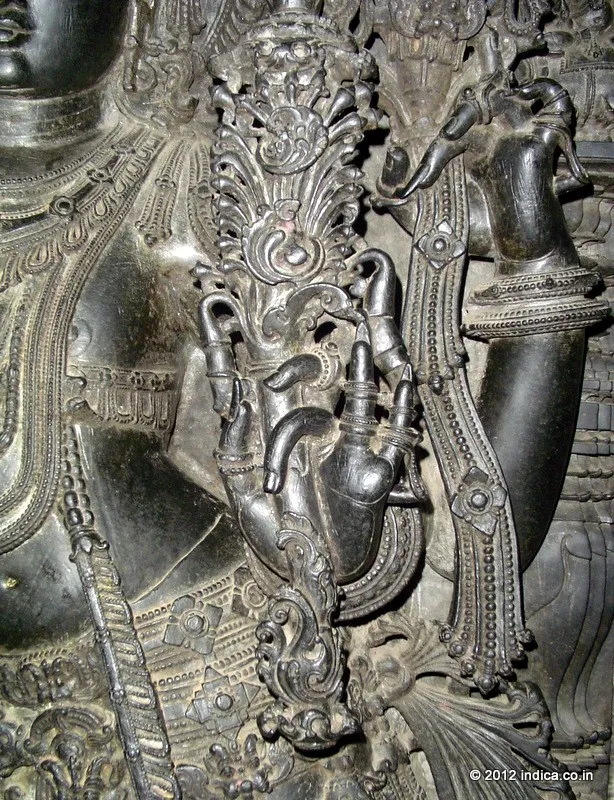
Hoysala Art. It appears as executed in cast metal. In fact this is carved out of soft soapstone, and hardened over a period. The softer soapstone is highly workable, especially for the finer details. This is the image of the door keeper deity at Chennakeshava temple in Belur, Karnataka.
Hoysala Art. It appears as executed in cast metal. In fact this is carved out of soft soapstone, and hardened over a period. The softer soapstone is highly workable, especially for the finer details. This is the image of the door keeper deity at Chennakeshava temple in Belur, Karnataka.