New Delhi

In 12 December 1911,  Delhi was declared as the new capital city.  

New Delhi, located in the heart of India is the capital of the country.

The adjective new came from the fact that this city was planned as the new capital of the colonial India. Until 1911, Kolkata ( Calcutta) served as the capital of colonial India, and the British Raj thought  of Delhi as the better administrative headquarters location.

The new city built was christened “New Delhi” in 1927. Two famous British architects of the time Sir Edwin Lutyens and Sir Herbert Baker were commissioned to plan & design the new capital. The then British India’s Viceroy Lord Irwin inaugurated  the capital in 13 February 1931.

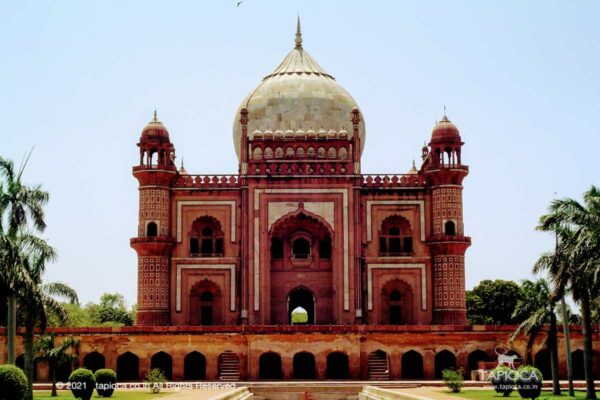
Though it’s called new , built on portions of the old heritage area of Delhi, New Delhi shares a great deal of heritage structures like the Qutab Minar and Humayun’s tomb , both are UNESCO World Heritage Sites in India.
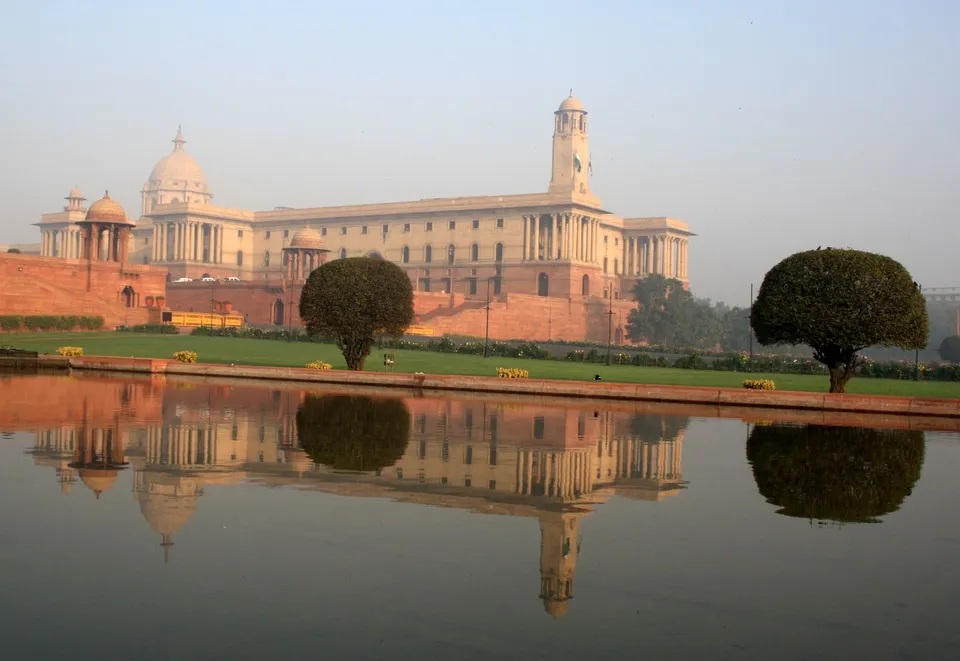
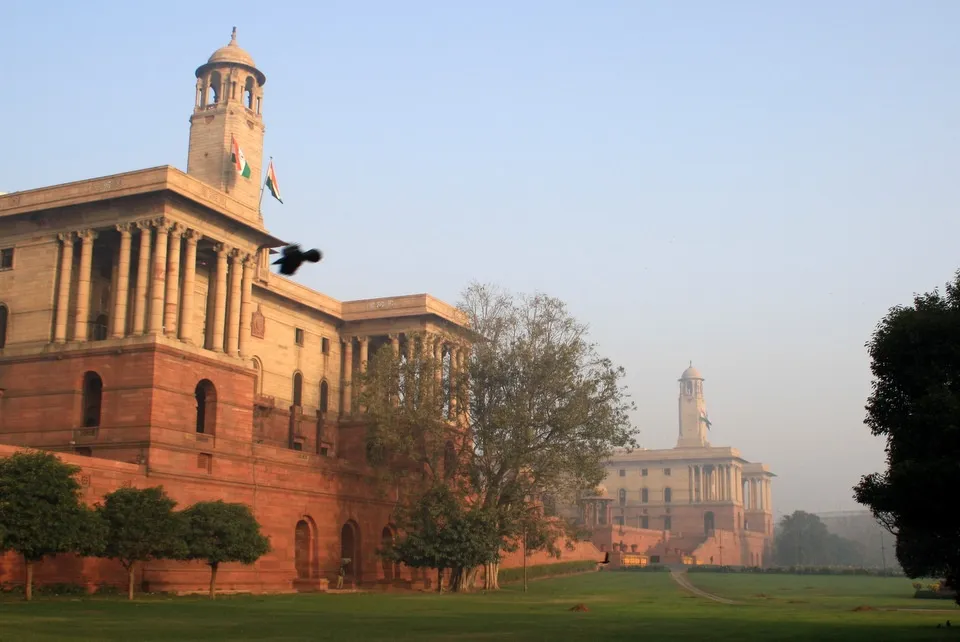
Lutyens architecture in New Delhi

Lutyens architecture in New Delhi

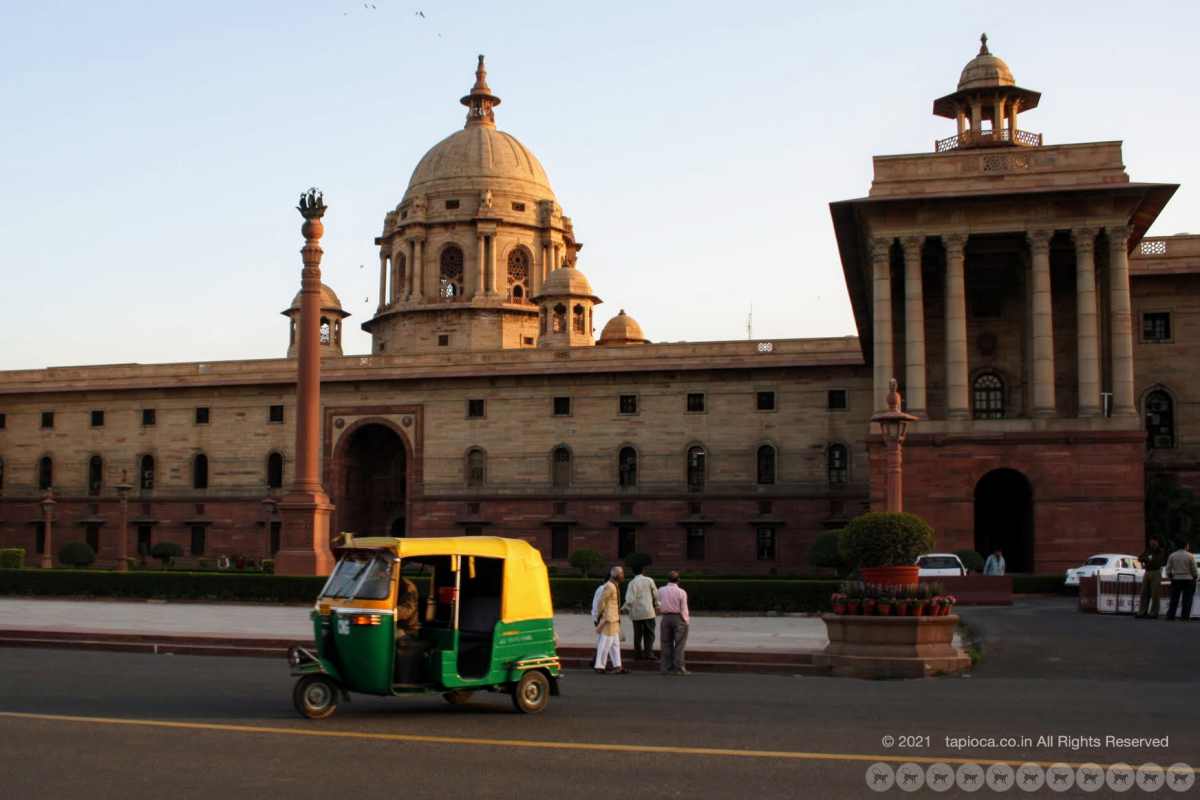
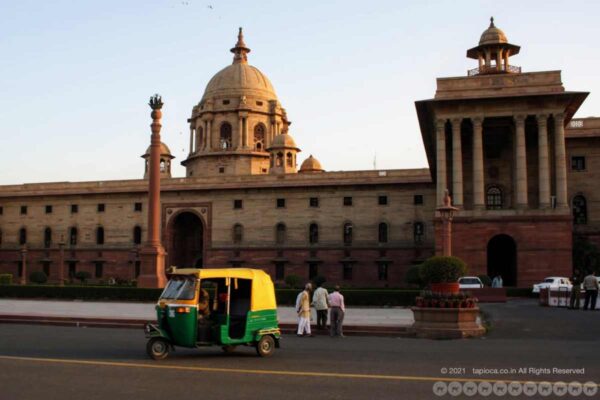
The federal administrate blocks in New Delhi. The twin shades of red sandstone used to build structures are typical examples of the Lutyen's architecture style used in Delhi's structures.
The federal administrate blocks in New Delhi. The twin shades of red sandstone used to build structures are typical examples of the Lutyen’s architecture style used in Delhi’s structures.

The federal administrate blocks in New Delhi. The twin shades of red sandstone used to build structures are typical examples of the Lutyen's architecture style used in Delhi's structures.

Near the administrative blocks
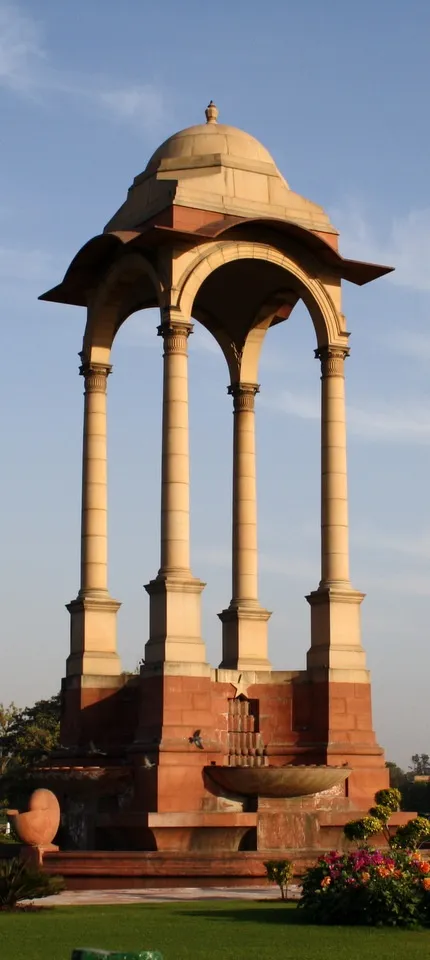
Near India Gate in New Delhi

Near India Gate in New Delhi

Lutyens architecture in New Delhi

Lutyens architecture in New Delhi

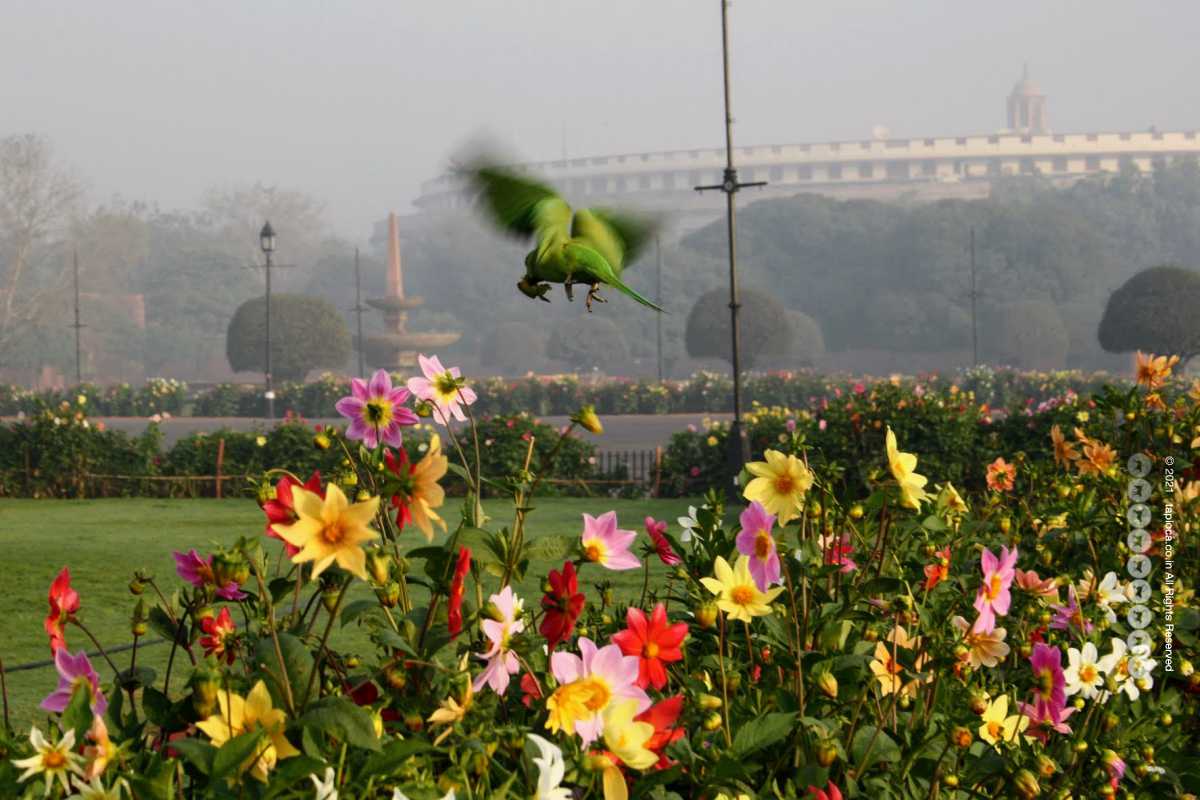
Indian Parliament
Indian Parliament

seen from the Vijay Chowk area

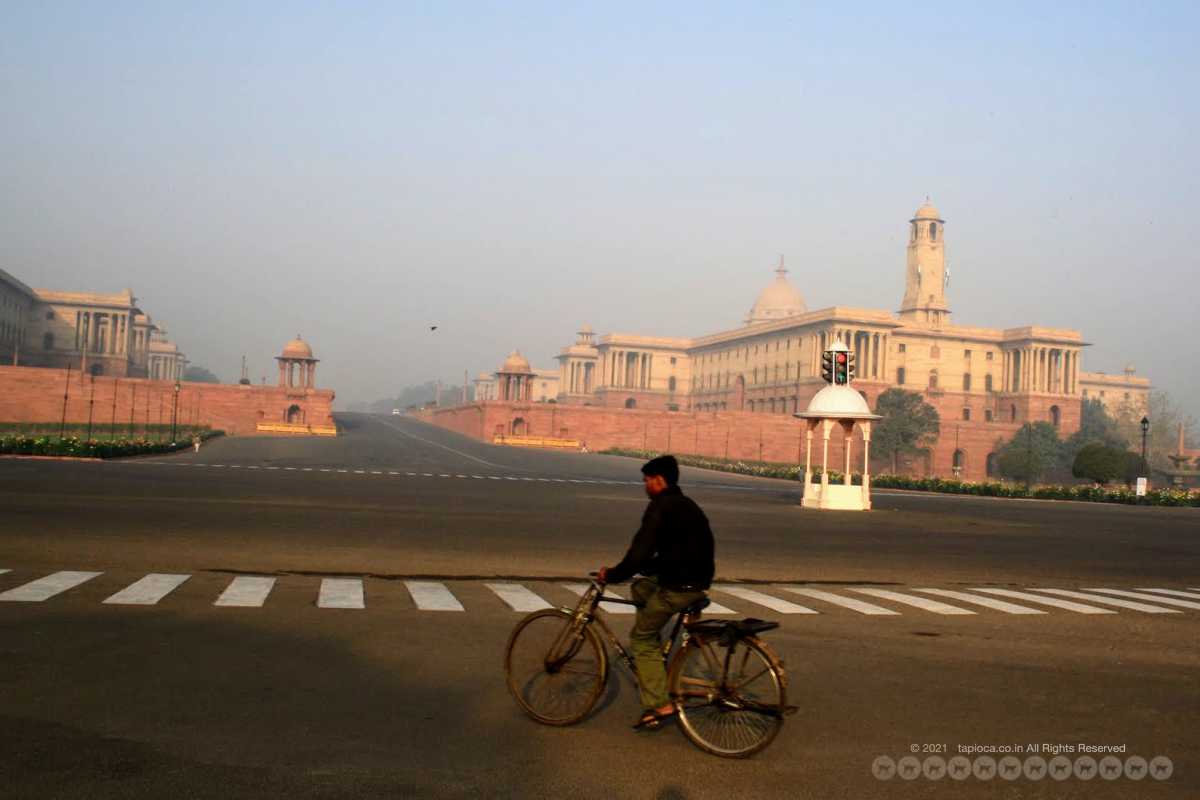
A major intersection on Rajpath
Vijay Chowk

A major intersection on Rajpath in New Delhi