Munnar and Meesapulimala represent two distinct approaches to travel within the Western Ghats of Kerala. Munnar is an established, high-traffic hill station that has been a cornerstone of South Indian tourism since the British colonial era. It functions as a structured regional hub, characterized by vast, manicured tea plantations, a high density of resorts, and a well-developed network of paved roads that allow for effortless sightseeing. It appeals primarily to families, leisure travelers, and those seeking comfortable, predictable vacation infrastructure.
Conversely, Meesapulimala is a raw, high-altitude wilderness destination. Located approximately 25 kilometers from Munnar, it is one of the highest peaks in the Western Ghats (2,640 meters). Unlike the commercial town of Munnar, Meesapulimala is managed strictly by the Kerala Forest Development Corporation (KFDC) to protect its fragile ecosystem. It lacks standard urban amenities, relying instead on basic eco-lodges and tented base camps. It appeals specifically to trekkers, fitness enthusiasts, and travelers looking for isolation rather than convenience. The choice between them is fundamentally a choice between accessibility and wilderness.
Quick Comparison
| Feature | Munnar | Meesapulimala |
|---|---|---|
| Best Known For | Tea estates & sightseeing | Trekking & cloud views |
| Ideal Duration | 2–3 Days | 1–2 Days |
| Best For | Families & leisure | Trekkers & nature |
| Atmosphere | Commercial & busy | Quiet & remote |
| UNESCO Status | Part of Western Ghats | Part of Western Ghats |
| Overall Score | 82/100 | 75/100 |
Detailed Comparison
| Attribute | Comparison |
|---|---|
| Identity | Township vs. Wilderness Peak |
| Landscape | Tea-covered rolling hills vs. High-altitude grasslands |
| Activities | Sightseeing, boating vs. Trekking, camping |
| Crowd Level | High (often congested) vs. Low (permit-restricted) |
| Accessibility | Easy (cars/buses) vs. Difficult (4×4 jeeps + hiking) |
| Food | Diverse restaurant scene vs. Basic fixed-menu camping meals |
| Best Season | Sept–March vs. Oct–Feb (Dry weather is critical) |
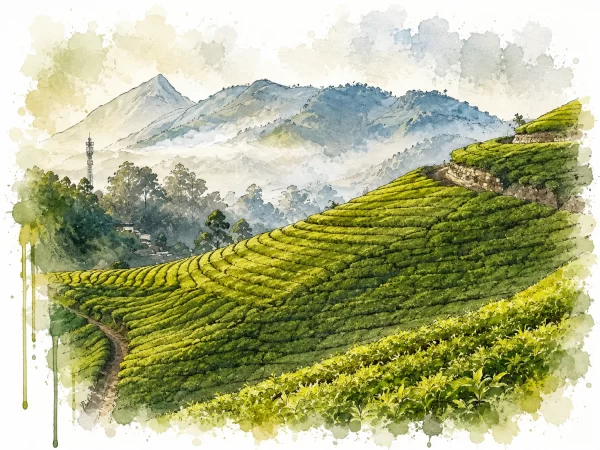
Why Choose Munnar?
- Infrastructure: Hundreds of stay options from budget to 5-star.
- Accessibility: All major points are reachable by road.
- Family Safety: Paved paths and standard tourism security.
- Variety: Museums, dams, parks, and waterfalls in one hub.
- Dining: Extensive choice of cuisines and cafes.
- Convenience: Mobile connectivity and medical facilities available.
Major Highlights
- Eravikulam National Park (Nilgiri Tahr habitat)
- KDHP Tea Museum
- Mattupetty Dam & Lake
- Top Station Viewpoint
- Attukad Waterfalls
- Marayoor Sandalwood Forests
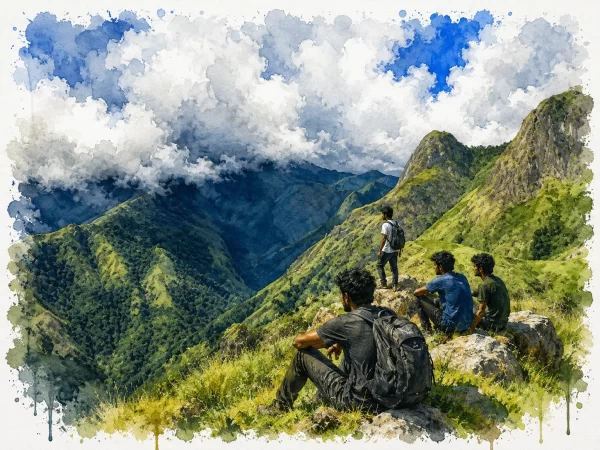
Why Choose Meesapulimala?
- Exclusivity: Strictly regulated permits ensure zero overcrowding.
- Physical Challenge: A rewarding, high-stamina trek.
- Unobstructed Views: Peak sunrise above the cloud line.
- Ecology: Untouched shola forests and montane flora.
- Stargazing: Minimal light pollution on the ridges.
- Serenity: Complete silence compared to the town traffic of Munnar.
Major Highlights
- 2,640m Summit Peak
- Rhodo Valley (Rhododendron blooms)
- Eight-Hill Trekking Trail
- KFDC Rhodo Mansion (High-altitude stay)
- Pandava Cave
- Anakulam Streamlets
Pros & Cons
| Munnar Pros & Cons | Meesapulimala Pros & Cons |
|---|---|
| Pros: Ease of access, variety, comfort. Cons: Heavy traffic, commercial noise, tourist crowds. |
Pros: Pristine nature, seclusion, adventure. Cons: Requires permits, physically demanding, basic amenities. |
Best for Different Travellers
| Traveller Type | Recommendation | Rationale |
|---|---|---|
| Family | Munnar | Offers child-safe amenities and reliable transport. |
| Nature Lover | Meesapulimala | Preserves high-altitude, untouched wild ecosystems. |
| Backpacker | Meesapulimala | Focuses on raw exploration and shared tent camping. |
| Couple | Munnar | Provides luxury resort privacy and fine dining. |
| Weekend Traveller | Munnar | Easy to maximize time with efficient road travel. |
Decision Scorecard
| Category | Munnar | Meesapulimala |
|---|---|---|
| Scenic Beauty | 8/10 | 9/10 |
| Activities | 9/10 | 5/10 |
| Accessibility | 9/10 | 4/10 |
| Food | 8/10 | 3/10 |
| Overall Score | 82/100 | 75/100 |
Final Verdict
Choose Munnar if you are planning a relaxed holiday, traveling with family, or prioritizing comfort, variety, and accessibility. It is the best choice if you want to see the sights without physical exertion.
Choose Meesapulimala if you are an adventure seeker, physically fit, and willing to trade hotel comforts for the serenity of a high-altitude wilderness experience. It is the best choice for those tired of crowds who want a genuine nature challenge.
Can You Visit Both?
Combining both is highly recommended, as Meesapulimala is located in the Suryanelli area, just a few hours’ drive from Munnar. An ideal itinerary involves two days in Munnar for sightseeing and relaxation, followed by a transition to Suryanelli to complete the Meesapulimala trek (usually requiring an overnight stay at the KFDC base camp) on the third day.
Bottom Line
Munnar is the quintessential, highly developed tea-plantation hill station that offers comfort and sightseeing for the masses, while Meesapulimala is a strictly regulated, high-altitude trekking destination that offers isolation and physical challenge for the wilderness enthusiast.
Online Highlight: Munnar offers accessible leisure and resort comfort for families, whereas Meesapulimala provides an exclusive, rugged trekking experience for adventure seekers.
Continue Exploring
Two iconic Kerala temples, two distinct experiences—compare Padmanabhaswamy Temple and Guruvayur Temple before you visit.
Choose Padmanabhaswamy Temple for royal heritage and grand architecture, or…
Alleppey vs Kumarakom
Choosing between Alleppey (Alappuzha) and Kumarakom depends on the kind…
Jeep vs Car at Munnar sightseeing
1. The “Jeep Sightseeing” Experience In Munnar, these are typically…
A jeep safari in Munnar is one of the most popular ways to experience the region’s rugged terrain, hidden waterfalls, and remote tea plantations that are inaccessible by regular cars.
Popular Jeep Safari Routes Key Details for Travelers Tips for…