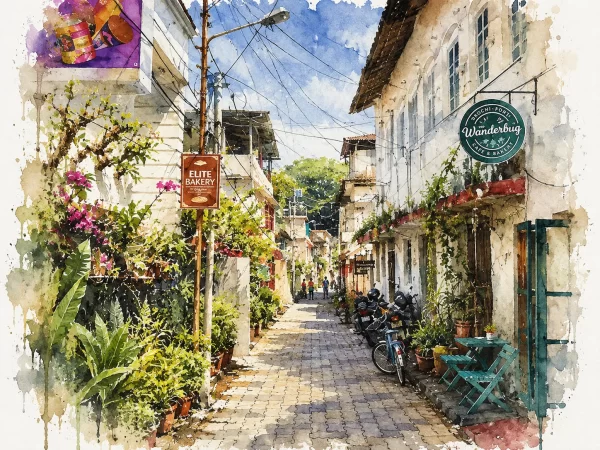
Fort Kochi is not a tropical beach escape, nor is it a high-intensity urban hub. Instead, it operates as a distinct, low-tempo enclave where multi-layered colonial history intersects with a contemporary Indian art scene. For travelers navigating Kerala, it provides a stark structural contrast to the chaotic traffic of Ernakulam and a thematic alternative to the natural landscapes of the Munnar hill stations or the Alleppey backwaters. It is highly walkable, structurally compact, and heavily shaped by centuries of Portuguese, Dutch, British, and Jewish maritime trade.
Whether Fort Kochi deserves a place on your itinerary depends on your travel pacing. A standard one-day visit is highly efficient and sufficient to cover the main historical monuments and the waterfront promenade. Allocating two days allows for a deeper exploration of the Mattancherry wholesale spice markets, contemporary art hubs like the Kashi Art Cafe, and an evening cultural performance. However, travelers seeking pristine, swimmable coastlines or fast-paced modern entertainment should treat it as a brief stop or bypass it entirely in favor of dedicated beach destinations like Marari or Kovalam.
Top 10 Reasons to Visit Fort Kochi
- Concentrated Historical Multi-Culturalism: Unlike many Indian historic quarters dominated by a single era, Fort Kochi compresses Portuguese, Dutch, British, and Jewish architectural footprints into a single, walkable square mile. A traveler can observe a 16th-century Portuguese church, a Dutch institutional cemetery, and a Commonwealth-era active synagogue within a short radius.
- Pedestrian-Friendly Layout: In a region where navigating towns usually requires dodging heavy auto-rickshaw and bus traffic, Fort Kochi’s old town streets—particularly Princess Street and Burger Street—are narrow, shaded by rain trees, and remarkably conducive to exploring on foot.
- The Epitome of the Spice Route Trade: The Mattancherry wholesale district remains a functional center for the trade of black pepper, cardamom, and ginger. Visitors experience a working maritime trade environment with active warehouses, rather than a curated museum simulation.
- The Kochi-Muziris Biennale and Art Infrastructure: As a primary host of South Asia’s largest contemporary art biennial, Fort Kochi transforms heritage warehouses and colonial bungalows into global art galleries, giving it an avant-garde cultural relevance unmatched by other historic Indian towns.
- Architectural Preservation: From the massive gabled roofs of Vasco House to the defensive structures of Bastion Bungalow, the neighborhood preserves residential and military structures from the 16th to the 19th centuries that have been adapted into functional boutique hotels and cafes rather than falling into ruin.
- Accessible Classical Arts: Venues like the Kerala Kathakali Centre provide reliable, daily access to highly demanding traditional performances, including Kathakali dance-drama and Kalaripayattu martial arts, complete with explanatory introductions for international audiences.
- Diverse Culinary Fusion: The local food scene reflects its history through distinct dishes like Kerala-style fish molee (a coconut-milk curry influenced by Portuguese palates) alongside a dense concentration of high-quality continental cafes.
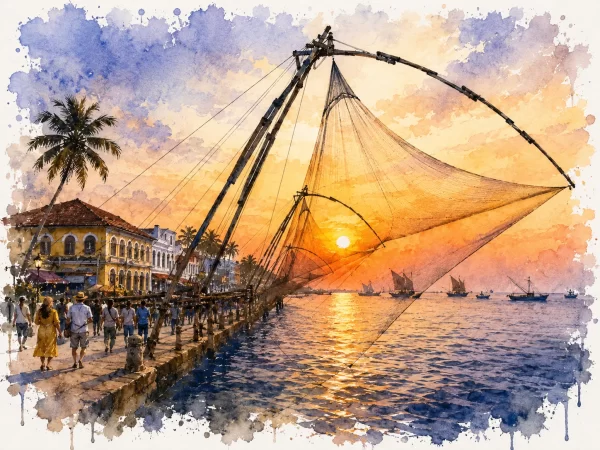
- Functional Maritime Heritage: The iconic Chinese Fishing Nets are mechanical relics from the 14th century that still operate along the beachfront walkway via a complex system of wooden counterweights and pulleys.
- The Living History of Jew Town: The narrow lanes leading to the Paradesi Synagogue represent one of the last physical remnants of the Malabar Jewish community, lined with centuries-old antique shops and specialized craft storehouses.
- Effortless Backwater Connectivity: Fort Kochi serves as a strategic, low-stress launching pad for localized country boat cruises through the quiet outskirts of the Kerala backwaters, bypassing the hyper-commercialized houseboat traffic jams common in central Alleppey.
Signature Experiences
- Walking down Princess Street to observe the preserved European colonial residential architecture.
- Observing the synchronized lowering and raising of the Chinese Fishing Nets at the beachfront walkway during sunset.
- Stepping inside the Paradesi Synagogue to see the hand-painted, 18th-century Chinese porcelain floor tiles.
- Attending the early afternoon makeup preparation session before a formal Kathakali performance at the Kerala Kathakali Centre.
- Tracking down the diverse public street art murals spread across the walls of Mattancherry and Fort Kochi.
- Sipping locally roasted single-origin coffee inside the courtyard of the Kashi Art Cafe.
- Exploring the working spice mills of Mattancherry to witness the manual sorting of local ginger and peppercorns.
- Taking the inexpensive public Ro-Ro ferry from Fort Kochi to Vypeen Island to experience local commuter transit.
- Visiting the dynamic contemporary art installations inside the sea-facing Aspinwall House during exhibition seasons.
- Examining the original burial spot of explorer Vasco da Gama inside the minimalist sanctuary of St. Francis Church.
Popular Attractions
Chinese Fishing Nets
These massive shore-operated lift nets line the northern tip of the peninsula. While they now largely serve as a visual performance for tourists rather than high-yield fishing gear, watching the counterweight system function remains a compelling engineering display.
St. Francis CSI Church
Constructed originally in 1503 by Portuguese friars, this is recognized as the oldest European-built church in India. Its historical significance stems from its structural simplicity and its legacy as the initial resting place of Vasco da Gama.
Santa Cruz Cathedral Basilica
A grand Gothic edifice featuring a stark white exterior and an intensely colorful, frescoed interior. It serves as a focal point for the region’s deep-rooted Catholic heritage and offers a cool, quiet respite from midday heat.
Mattancherry Palace (The Dutch Palace)
Despite its alternative name, this structure was built by the Portuguese as a gift to the King of Kochi. Its plain exterior stands in sharp contrast to the interior rooms, which contain some of the finest surviving 16th-century traditional Hindu mural arts in Kerala.
Paradesi Synagogue and Jew Town
Built in 1568, this active place of worship features a magnificent interior lit by Belgian crystal chandeliers. The surrounding neighborhood, Jew Town, consists of narrow paths filled with antique dealers, spice shops, and historical residences.
Nearby Destinations
| Destination | Distance | Why Combine It |
| Muziris Heritage Site (Kodungallur) | 35 km | Ideal for hardcore history enthusiasts; protects ancient port excavations, early mosques, and temples that predate Fort Kochi’s colonial era. |
| Alleppey (Alappuzha) Backwaters | 60 km | Provides the classic overnight houseboat experience along wide rivers, contrasting with Fort Kochi’s urban maritime history. |
| Marari Beach | 45 km | A clean, quiet strip of sand suitable for swimming and relaxation, addressing Fort Kochi’s lack of viable recreational beaches. |
| Athirappilly Waterfalls | 75 km | A dramatic biological park featuring massive, 80-foot falls; offers a nature-heavy day trip to escape historical walking tours. |
Best for Different Travellers
| Traveller | Why This Destination Suits Them |
| Backpacker | Fort Kochi has an abundance of highly affordable homestays, hostels, and inexpensive public ferries, alongside cheap street-food options. |
| Budget Traveller | The primary historical sites, churches, and neighborhoods charge minimal entry fees, making it an economically efficient stopover. |
| Couple | The shaded streets, sea-facing boutique heritage hotels, and atmospheric courtyard restaurants create a relaxed, slow-paced environment. |
| Family | The flat terrain and low traffic speed make walking safe, though small children may grow bored with the heavy focus on historic architecture. |
| Photographer | Offers a dense canvas of framing opportunities, from the geometry of the fishing nets at sunset to the bright pastel walls of Mattancherry. |
| History Lover | Unpacks a rare, multi-layered look at how competitive European trade networks systematically impacted Indian coastal governance and culture. |
| Luxury Traveller | Home to premium, meticulously restored historical properties like the Brunton Boatyard and Malabar House, offering upscale heritage hospitality. |
| Slow Traveller | The café culture and relaxed neighborhood pacing make it an exceptional location to unpack bags, read, and write for a week without pressure. |
| Weekend Traveller | The close proximity to Cochin International Airport allows a short-duration traveler to maximize their historical sightseeing without long road transfers. |
| First-time Visitor | Serves as an incredibly soft, gentle landing pad for exploring southern India, avoiding the intense sensory overload of larger domestic transit hubs. |
Ratings
| Factor | Score (1–10) |
| Heritage Attractions | 9 |
| Overall Experience | 8 |
| Photogenic Appeal | 8 |
| Activities | 7 |
| Crowd & Atmosphere | 7 |
| Accessibility | 8 |
| Time Efficiency | 9 |
| Budget & Value | 8 |
| Weather & Comfort | 5 |
| Uniqueness | 8 |
Overall Score: 77/100
Fort Kochi scores exceptionally well for historical density, time efficiency, and accessible heritage walkability. Its rating is held back primarily by the challenging tropical humidity, the highly commercialized nature of its waterfront street vendors, and the fact that its local beach is unsuited for swimming.
Who Should Visit?
Perfect For
- Architecture and history buffs intrigued by the mechanics of the global spice trade.
- Art lovers who enjoy exploring independent galleries and industrial-style art biennals.
- Café-hoppers and slow-paced travelers looking for a low-stress neighborhood to explore on foot.
Less Suitable For
- Sun-seeking travelers expecting a pristine tropical beach vacation with swimming infrastructure.
- Adventure sports enthusiasts looking for active, high-adrenaline excursions.
- Travellers who grow easily restless when an itinerary consists primarily of walking tours, churches, and old warehouses.
Practical Information
Ideal Duration: One full day is highly sufficient to cover the primary historical monuments. Two days are perfect if you want to include a slow exploration of Mattancherry’s spice alleys and watch a traditional evening performing arts show.
Best Season: The cooler winter months from November to February present manageable humidity levels. The monsoon season from June to September brings heavy rains that heavily disrupt walking tours, while March through May brings intense coastal heat.
Budget: Highly scalable. Backpacker accommodation and street snacks cost very little, while upscale colonial boutique hotels and fine seafood dining options cater to high-end travelers.
Accessibility: Located roughly 45 kilometers from Cochin International Airport. It is linked efficiently to the Ernakulam mainland via regular, low-cost public commuter passenger ferries and vehicle Ro-Ro boats.
Suggested Itinerary: Spend the morning exploring St. Francis Church and the Chinese Fishing Nets before the midday heat spikes. Retreat to a shaded café for lunch. Dedicate the afternoon to an auto-rickshaw trip to Mattancherry to view the Synagogue and the Dutch Palace murals. Conclude the day with a sunset walk along the sea promenade followed by a Kathakali performance.
Best Time of Day: Early morning (6:30 AM to 9:00 AM) offers the lowest temperatures and clearest light for photography. Late afternoon (4:30 PM onwards) brings out a lively local community along the waterfront promenade.
Common Mistakes: Many travelers visit the beach expecting a clean swimming area, only to find plastic debris and strong currents. Others fall victim to aggressive auto-rickshaw drivers offering “one-rupee tours” that systematically divert passengers to high-commission souvenir emporiums.
Travel Tips: Dress modestly when entering active places of worship like the Paradesi Synagogue or Santa Cruz Basilica (keep shoulders and knees covered). Carry plenty of drinking water during daytime walks to combat the intense, ambient coastal humidity.
Final Verdict
Fort Kochi is a highly rewarding travel destination if approached with realistic expectations. It functions effectively as a tranquil, historical introduction to southern India, offering an accessible glimpse into maritime colonial trade history and contemporary art. It does not try to compete with the dramatic natural scale of the Western Ghats mountains or the vast aquatic playground of the Vembanad backwaters; instead, it provides a quiet, intellectual, and pedestrian-friendly base.
If you are looking to cover the key architectural and historical touchpoints of the region without losing days to long-distance road transit, Fort Kochi represents an incredibly time-efficient investment of forty-eight hours. However, if your primary travel motivation in Kerala is to find isolated nature, deep wildlife jungles, or active beach resorts, your time is far better spent moving directly from the airport toward Munnar, Thekkady, or Marari Beach.
Choose Fort Kochi if you want a walkable, café-lined historic enclave filled with colonial architecture, working spice markets, and accessible classical Indian arts.
Avoid Fort Kochi if you are seeking a pristine coastal resort destination with swimmable white sands, modern high-paced nightlife, or deep wilderness immersion.
Bottom Line: Fort Kochi provides a compact, atmospheric lesson in global maritime history and contemporary Indian art, best enjoyed on foot at a slow, deliberate pace.
Continue Exploring
Beyond the Fishing Nets: The Best Hidden Photo Spots in Fort Kochi
Save this for your next trip to Fort Kochi. You'll…
Why Visit Kadamakkudy Islands? Is It Worth the Instagram Hype?
Kadamakkudy is a visually stunning and completely unpretentious slice of…
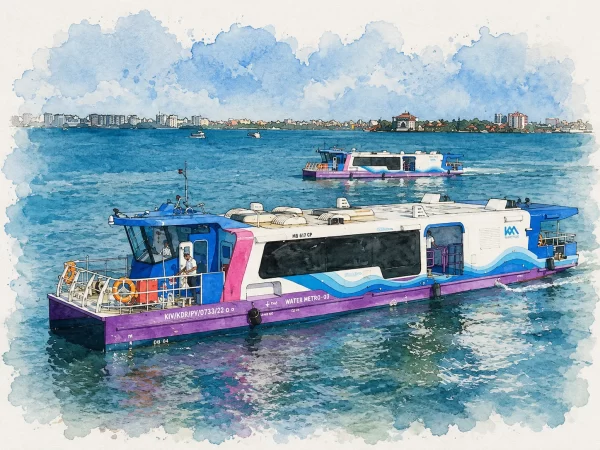
Ernakulam to Fort Kochi Boat Timing
Government Ferry (SWTD) Service operated from 6AM to 9 PM.…
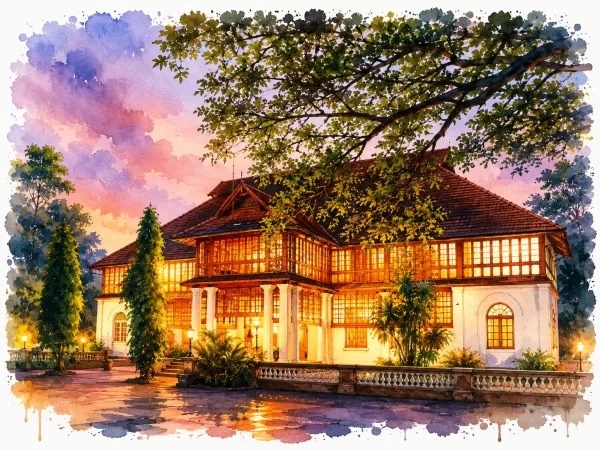
Bolgatty Palace
Built by the Dutch in 1744, it is one of…